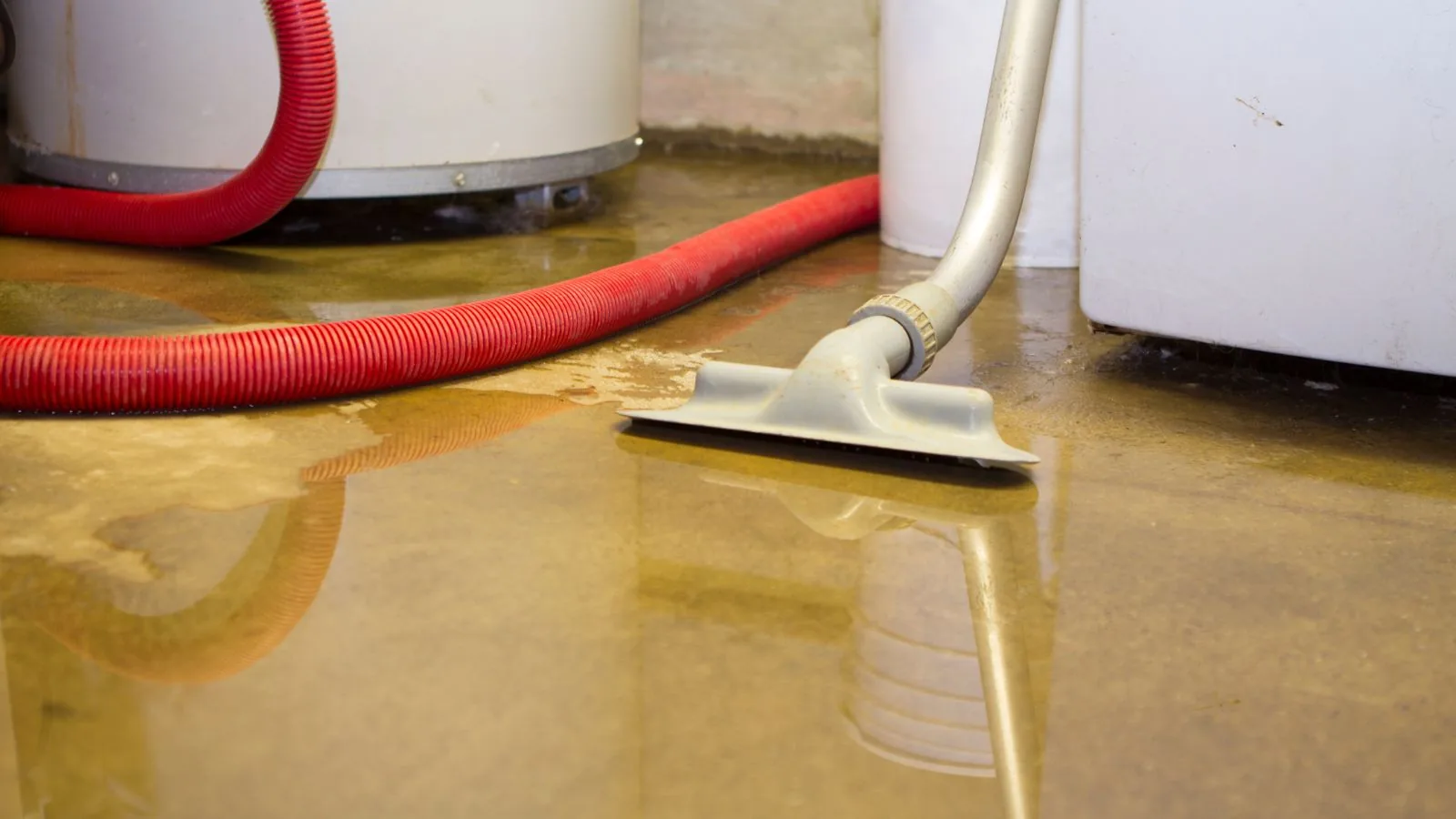
A hidden water leak does not announce itself. It may show as a higher water bill, a musty smell or a small stain on a ceiling. Finding the leak early limits damage. This guide covers simple tests you can do and when to bring in professionals.
Warning signs to watch for
- A water bill that rises with no change in use.
- The sound of running water when everything is off.
- Stains, bubbles or soft spots on walls, ceilings or floors.
- A musty smell in a room with no visible cause.
- Warm spots on the floor, which can suggest a hot water line.
- Low water pressure in one area.
The water meter test
- Turn off everything that uses water. Include the ice maker, washer, dishwasher and irrigation.
- Read the meter. Note the dial or digital reading.
- Wait 30 minutes without using water. Do not flush or run any tap.
- Read it again. If the numbers moved, water is going somewhere.
If the meter moves, close the main shutoff valve and check again. If the meter keeps moving with the main closed, the leak is before the valve, on the supply side.
Other simple checks
| Check | How | What it suggests |
|---|---|---|
| Toilet dye test | Add food coloring to the tank, wait 15 minutes | Color in the bowl means a flapper leak |
| Fixture inspection | Look under sinks and behind toilets | Drips at valves and connections |
| Appliance hoses | Check washer and dishwasher hoses | Bulges, cracks or rust at fittings |
| Outdoor spigots | Look for wet soil or dripping | Leaking hose bib or buried line |
Tools professionals use
Plumbers and restoration teams use moisture meters, thermal cameras, acoustic listening devices and pressure tests to locate leaks without opening every wall. These tools are often used together. A thermal image can show a cool, wet area, and a meter confirms moisture.
Who to call
| Situation | Call |
|---|---|
| Leak located at a pipe or fixture | A plumber to repair it |
| Wet walls, ceilings or floors | A restoration company to dry and repair |
| Suspected slab or underground leak | A plumber or leak detection specialist |
| Water flowing now | Close the main valve, then call both |
Where to look room by room
| Area | What to check |
|---|---|
| Kitchen | Under the sink, behind the dishwasher, around the refrigerator line |
| Bathrooms | Around the toilet base, shower valve, tub overflow and ceiling below |
| Laundry | Supply hoses, drain standpipe and the floor around the washer |
| Basement | Water heater, floor drain, sump pit and pipe joints |
| Attic | Roof penetrations, ducts and condensate lines |
| Outside | Hose bibs, irrigation lines and the meter box |
Seasonal checks that catch leaks early
In fall, clear gutters and check the roof and flashing before winter. In late fall, disconnect hoses and insulate pipes in unheated spaces. In spring, check basements after thaw and heavy rain. In summer, look at the air conditioner drain line and the attic ducts.
What to do once you find the leak
- Shut off the water to the fixture or the whole house. Know where both valves are.
- Mop up and dry the area. Use towels, fans and a dehumidifier for small spills.
- Photograph the damage and the source. Keep the failed part.
- Call a plumber to repair it. A temporary fix is better than a running leak, but a permanent repair is needed.
- Check walls and floors for moisture. If water went into them, call a restoration team to dry them.
Myths about hidden leaks
One myth is that a leak always leaves a stain. Leaks inside walls, under slabs and above ceilings can run for a long time without visible marks. Another is that low water pressure means the utility is at fault. A leak in your pipes can cause pressure to drop.
A third myth is that small drips do not matter. They add up in water and in damage to materials.
Key takeaways
- Use the meter test to confirm a leak.
- Check toilets, fixtures, appliances and outdoor spigots.
- Moisture meters and thermal imaging find leaks without opening walls.
- Plumbers fix pipes, and restoration teams dry what got wet.
How professionals pinpoint a leak without wrecking your walls
A thermal imaging camera shows temperature differences on surfaces. Evaporating water cools a surface, so a wet patch appears as a cooler area. A moisture meter then reads the material directly to confirm moisture. Acoustic devices listen for the sound of water escaping from a pressurized pipe.
Pressure testing isolates a section of pipe and watches whether pressure drops. For slab or underground leaks, plumbers may use tracer gas or other specialized methods.
When a pro opens a wall, the opening is usually small and placed where the readings point. That keeps repair costs lower than exploratory demolition. If a contractor suggests removing large areas without any measurement, ask why.
A scenario: a water bill that doubled
A household notices the water bill has nearly doubled with no change in habits. The meter test shows the dial moving with every fixture off. Closing the main valve stops the movement, so the leak is inside the house.
A toilet dye test shows nothing, and the water heater area is dry. A plumber then uses an acoustic listening device and traces the sound to a pipe running through a bathroom wall. The pipe is repaired, and a restoration team dries the wall before it is closed. The meter test led the owner to the source in under an hour of effort.
Water supply and winter checks in New Brunswick
The city's drinking water comes from surface water supplied by the New Brunswick Water Utility. Your own meter reading and the utility's billing history can show when use rose.
Cold weather adds risk. In 2018 the Rutgers NJ Weather Network noted a 14-day run of subfreezing days at New Brunswick, and pipes on exterior walls or in unheated spaces can leak when thawing. After a cold spell, check ceilings and wall bases for new stains.
If a leak has already damaged walls or floors, read about wall and drywall water damage repair and structural drying.
Sources for this guide: general leak detection practice, the ANSI/IICRC S500 standard for moisture assessment and the Rutgers NJ Weather Network winter record for New Brunswick.
Hidden leak questions
A steady drip adds up over weeks. A running toilet can waste far more than a drip.
Often yes. Moisture meters and thermal imaging show wet areas without opening the wall.
A plumber or leak detection specialist, using listening devices and pressure tests.
Do the meter test, check toilets and ask the utility to review your usage history.
The New Brunswick Water Utility supplies the city's water. Ask them about your meter and billing records.