Musty smell, damp walls and warped floors after cleanup: signs your structure is still wet
A room can look dry and still be wet inside. A musty odor, a baseboard that feels cool, paint that bubbles, floorboards that cup and a window that fogs for no reason all point to moisture inside the structure.
- A musty or earthy smell that returns after cleaning.
- Walls that feel cool or damp to the touch.
- Hardwood boards that cup or crown.
- Paint or wallpaper that bubbles or peels.
- Humidity that stays high on a hygrometer.
If you see these signs after a leak, flood or spill, the structure still needs drying. We take emergency calls 24/7 when active water is involved.
What structural drying is and how it works
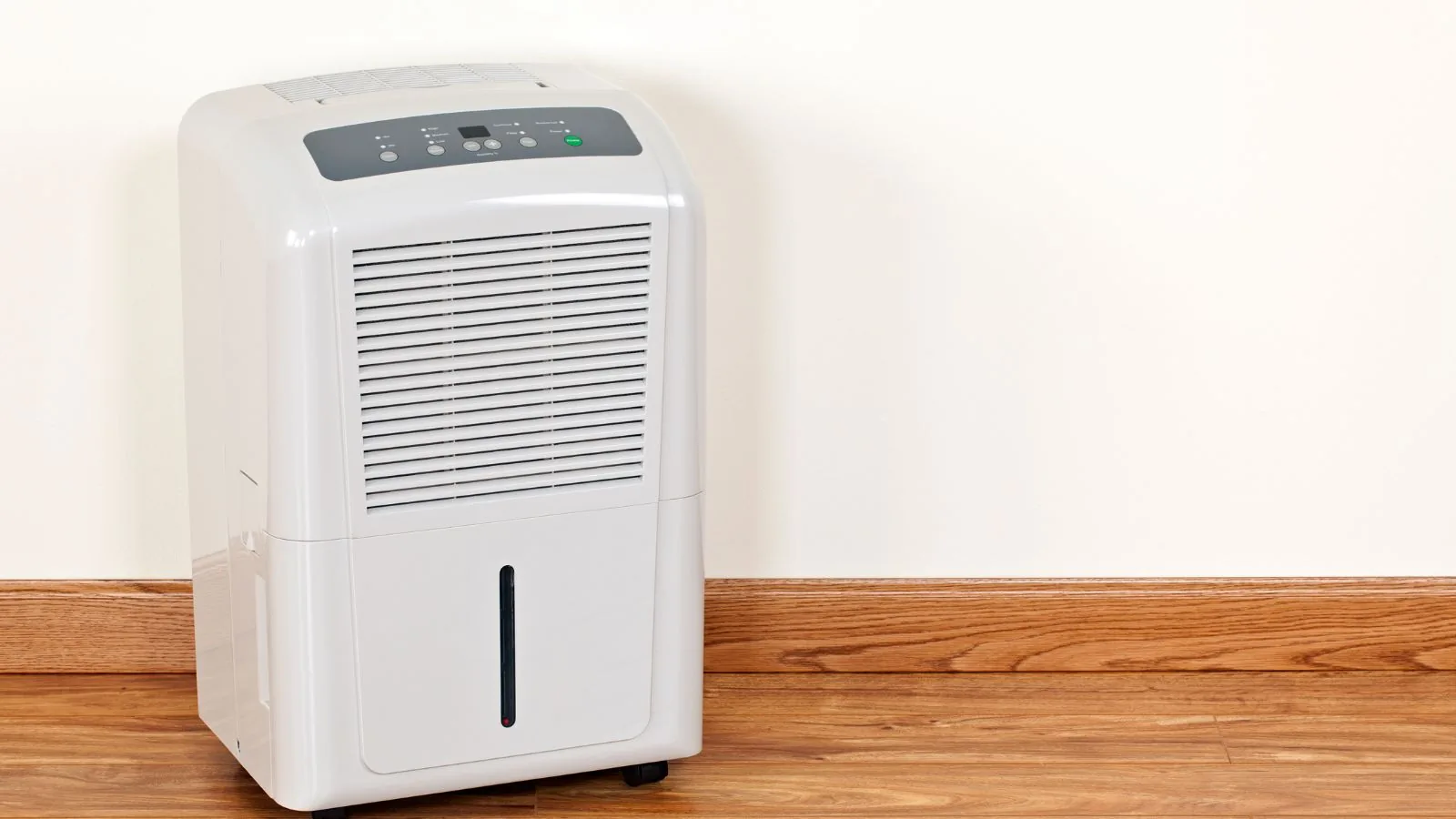
Structural drying uses controlled airflow and dehumidification to pull moisture out of building materials. Air movers push dry air across wet surfaces. Dehumidifiers remove the moisture from the air. Together they turn wet drywall, framing and flooring from a risk into a recoverable structure.
Equipment placement matters. Air that moves too fast in one place and not at all in another leaves wet pockets behind.
Measuring wetness: moisture mapping and thermal imaging
Moisture meters give a reading for each material, and thermal cameras show temperature differences caused by wet areas. We record starting readings, set drying goals from nearby dry materials and take new readings each visit. Drying ends when the numbers return to the dry standard, not when a date passes.
| Tool | What it shows | Where it helps |
|---|---|---|
| Pin or pinless moisture meter | Moisture content of a material | Drywall, wood, subfloor |
| Thermal imaging camera | Cool, wet areas behind surfaces | Finding the edge of wet areas |
| Hygrometer | Air humidity and temperature | Tracking dehumidifier performance |
| Moisture log | Readings over time | Showing progress and documentation |
The drying process step by step
- Extract surface water. Standing water is removed first. See water extraction.
- Open the structure where needed. Baseboards, flooring and drywall are opened to let air reach wet cavities.
- Place air movers and dehumidifiers. Equipment is set up according to the room size and wet area.
- Monitor and adjust. Readings are taken regularly and equipment is moved as areas dry.
What affects the cost of structural drying
Cost depends on the size of the wet area, the materials involved, how many pieces of equipment are needed and how many days the structure takes to dry. We explain the scope and price before work starts.
What to do while drying equipment is running
- Keep equipment plugged in and running, and do not switch units off to save power.
- Keep doors and windows closed in the drying area so the dehumidifiers can work.
- Do not move equipment, cover vents or hang wet items near the machines.
- Keep children and pets away from cords, hoses and fans.
- Tell the crew about odors, new stains or tripped breakers right away.
Water mitigation: the first 24 to 72 hours
Water mitigation is the early work that limits damage. It includes stopping the source, extracting standing water, removing materials that cannot dry and starting drying equipment. The sooner it begins, the less material has to be replaced.
Mitigation is not the same as repair. Mitigation protects what is left. Repair rebuilds what was lost.
Why drying equipment stays running for several days
Moisture inside a wall does not leave in a few hours. Equipment runs until readings approach the dry standard, and the technician moves or removes units as areas finish. Turning equipment off early leaves wet pockets that can later cause odor and mold.
Insurance note for drying records
Insurers often want proof that drying was completed. A log of moisture readings and photos supports your claim. Read your policy to see what documentation your insurer requires.
Drying is the step that prevents mold, so see mold remediation if growth is already visible. Wall cavities are covered in wall and drywall water damage repair, and floors in hardwood floor water damage repair.
ANSI/IICRC S500 sets out how drying is planned, monitored and documented for water-damaged structures. Moisture logs are how that standard shows up on a real job.
Drying and dehumidification questions
Surface water was removed but moisture remains inside the subfloor and framing. Moisture readings show how much, and drying equipment pulls the rest out.
It depends on the materials, the amount of water and the air conditions. Readings decide the end, not a set number of days.
A household unit helps with humidity but cannot dry wet wall cavities or subfloors. Professional air movers and dehumidifiers do that work.
Yes. For active water, our emergency line is open 24/7.