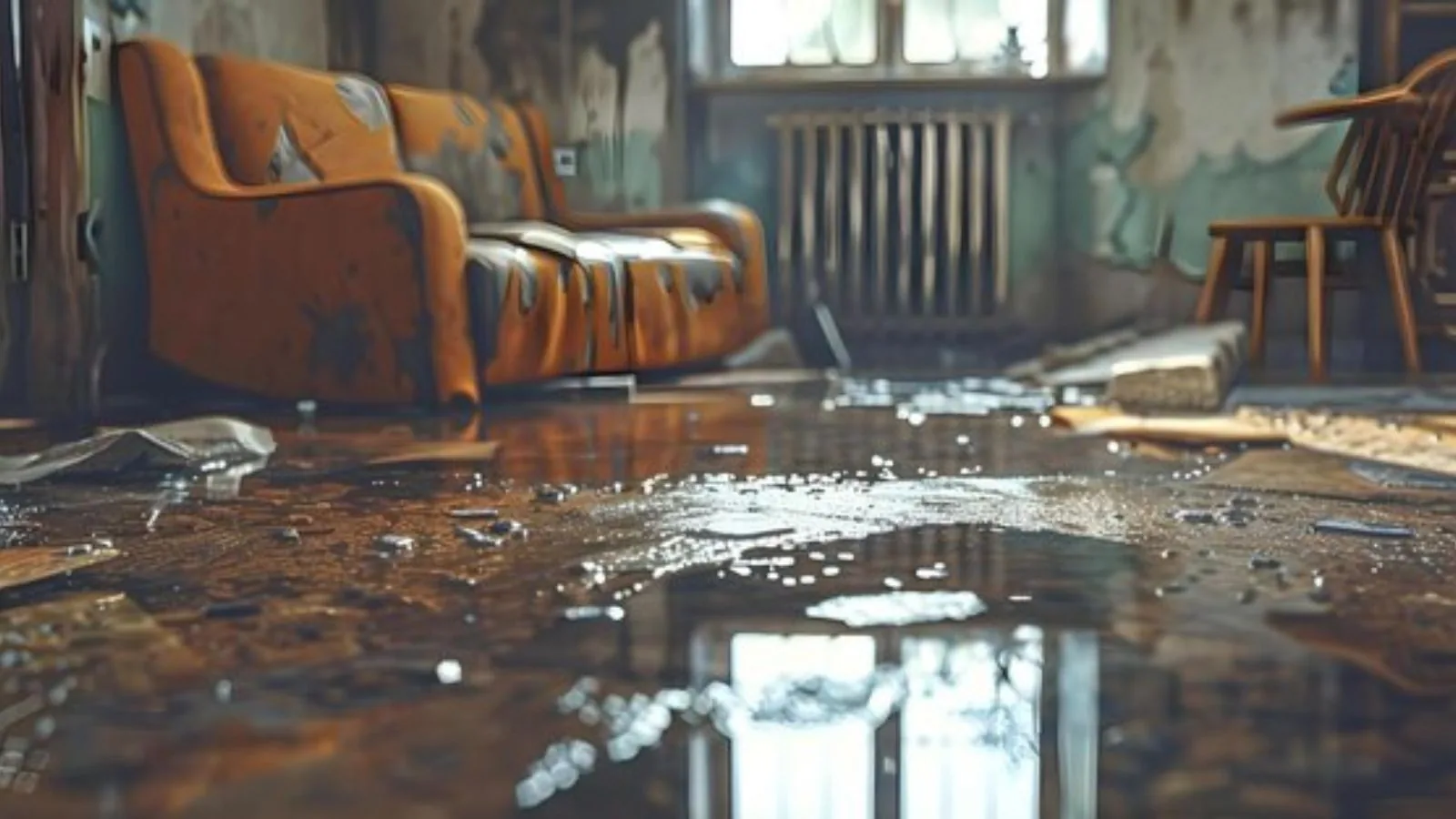
Flooding is an emergency, and floodwater should be treated as contaminated. Our line is open 24/7 for flood response in New Brunswick. Stay out of the water, keep power off in flooded areas and do not use appliances that stood in water.
New Brunswick flood history: the Raritan and Hurricane Ida
The city sits on the south bank of the Raritan River. During Hurricane Ida in 2021, the river overtopped its banks after 8 to 8.4 inches of rain fell on New Brunswick, according to the City of New Brunswick. Route 18, River Road and the Albany Street Bridge closed, and Rutgers closed Alexander Library. Our page on the Boyd Park riverfront covers the streets nearest the river.
The Rutgers NJ Weather Network recorded 8.44 inches in six hours. Patch reported about 1,000 people evacuated across New Brunswick and Piscataway. Flood events of this size reach streets and basements well beyond the riverbank.
Flood emergency: what to do before cleanup begins
- Get out of the water. Floodwater can carry sewage, fuel and sharp debris, and it can hide electrical hazards.
- Keep power off. Do not turn power back on in a flooded area until a licensed electrician has checked it.
- Photograph everything. Include waterlines on walls, damaged contents and any outside flooding.
- Call us and your insurer. Ask your insurer which type of policy applies, because flood damage is handled differently from a sudden internal leak.
How floodwater is removed and the building is made safe
Floodwater is pumped out in stages so basement walls are not stressed by pressure differences. Mud and silt are shoveled and hauled away, and porous materials such as carpet, pad, insulation and soaked drywall are removed. Hard surfaces are cleaned and sanitized.
Once the structure is cleared, drying equipment runs until moisture readings return to normal. See structural drying for how that is measured.
What is usually kept and what is usually thrown away after a flood
| Item | Usual outcome | Reason |
|---|---|---|
| Carpet and pad | Removed | They absorb contaminants and cannot be fully sanitized |
| Wet insulation | Removed | It holds contaminated water |
| Drywall touched by floodwater | Cut out above the waterline | It wicks contaminants upward |
| Solid wood furniture | Cleaned and dried when possible | Dense wood can recover |
| Mattresses and upholstery | Usually discarded | Fabric cannot be sanitized reliably |
Insurers may ask to see damaged items before disposal. Photograph first.
What drives the price of flood cleanup
Price depends on water depth, the number of floors affected, the amount of mud and debris, how much material must be removed and how long drying takes. We explain the scope and price before work starts.
Salvaging belongings after a flood
Hard, non-porous items such as glass, metal and sealed plastic can usually be cleaned and sanitized. Porous items such as mattresses, stuffed furniture and carpet usually cannot. Photographs, papers and electronics may be salvageable if they are dried quickly, and a specialist can advise on them.
Keep a list with photos of what is discarded. Your insurer may ask for it, and it helps you recall what the home contained.
After the water is gone: the drying and rebuild stage
Flood drying often runs for several days. Wall cavities are opened, floors are dried from above and below and humidity is brought down with dehumidifiers. Only after readings are normal is it safe to close walls and install new flooring. Rebuilding too early traps moisture.
Flood and your insurance policy
The New Jersey Department of Banking and Insurance notes that standard homeowners policies exclude flood. Flood coverage needs separate insurance through the National Flood Insurance Program or a private insurer. Check your policy before you file and ask about mold coverage.
Rain that seeps in through walls is covered under basement water damage cleanup, and roof or wind-driven rain under storm water damage cleanup. If floodwater came up through drains, see sewage backup cleanup.
The IICRC S500 standard treats floodwater as Category 3, the most contaminated class. That is why porous materials that touched it are removed and not just dried.
Flood cleanup questions
Yes. The line is open 24/7. Call (732) 352-9660 and tell us how deep the water is and which floors it reached.
No. It can carry sewage, chemicals and bacteria. Wear boots and gloves if you must enter, and keep children and pets out.
Standard homeowners policies generally do not. A separate flood policy is needed through the National Flood Insurance Program or a private insurer.
As soon as the water and mud are removed. The EPA advises drying wet materials within 24 to 48 hours to limit mold growth.