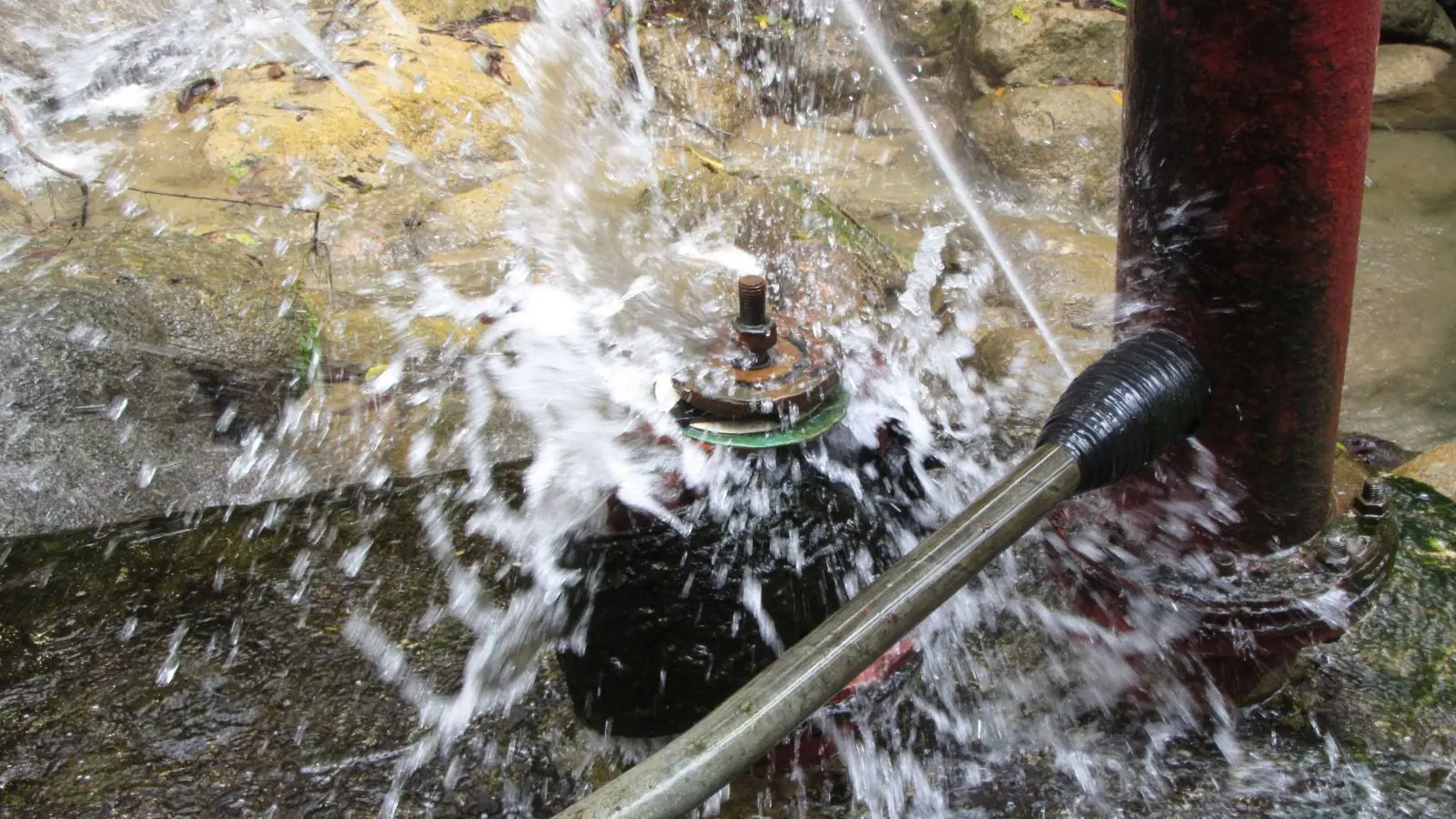
A burst pipe is an emergency that gets worse every minute the water runs. Our line is open 24/7, so call any hour. Close the main water valve first, switch off power to wet areas only if you can reach the breaker dry, and keep clear of ceilings that bulge or drip.
What a burst pipe does inside walls, floors and ceilings
Pressurized supply lines release water quickly, and the water follows gravity and framing, not the visible stain. It runs down inside wall cavities, collects on top of a lower ceiling and soaks into subfloor and insulation. The wet spot you see is usually the smallest part of the wet area.
Because supply water is clean at the start, a burst pipe is often treated as clean water damage. That changes if the water sits, touches soil or picks up contamination from building materials.
Burst pipe emergency: what to do before we arrive
- Shut off the water. Close the main valve where the supply enters the building. Open a low faucet to drain remaining pressure.
- Protect power. Keep away from wet outlets and fixtures. Turn off the breaker for the area only if you can reach the panel without standing in water.
- Photograph before cleanup. Capture the pipe, the wet surfaces and any belongings that were hit.
- Call us and hold off on demolition. Cutting into walls too early can spread debris. We tell you what to open and what to leave.
Where burst pipe water hides
Inside wall cavities
Water runs down between studs and soaks the bottom plate and insulation.
Under flooring
Water slips beneath hardwood, laminate and tile and sits on the subfloor.
Above ceilings
A second-floor failure collects in ceiling drywall until it sags.
Inside cabinets
Kitchen and vanity cabinets trap water against their backs and toe kicks.
Which materials dry and which come out
| Material | Usually | Reason |
|---|---|---|
| Drywall, wet briefly | Dried in place | Gypsum can recover when dried quickly and fully |
| Drywall, saturated or sagging | Replaced | It loses strength and holds moisture |
| Fiberglass insulation | Replaced when soaked | It packs down and stays wet |
| Hardwood floor | Dried, sometimes saved | Depends on how long it stayed wet |
| Carpet pad | Replaced | It holds water and is cheap to renew |
These are common outcomes. Moisture readings decide each case.
What changes the cost of burst pipe cleanup
The cost factors are the number of rooms the water reached, whether it moved through more than one floor, how long it ran, which materials are wet and how much drywall and flooring has to be removed. We explain the scope and price before work starts. The plumbing repair itself is separate from restoration.
An older building that has been renovated in stages may carry mixed pipe materials, and the joints between them are a common failure point. Ask your plumber to check nearby sections once the break is repaired.
Hot water lines, cold water lines and drain lines: why the difference matters
A cold supply line releases clean water. A hot water line adds heat, which raises humidity and speeds the spread of moisture. A drain line carries used water and is treated as gray or worse depending on the source. The category of water decides how materials are handled, so tell us which line failed.
If the water came from a drain, a toilet or an unknown source, assume it is not clean until it has been checked.
Insurance note for burst pipes
Sudden pipe failures are often treated differently from flood or long-term seepage. Check your policy, report the loss promptly and keep the failed section of pipe if your insurer asks for it.
If the break happened in a cold spell, read about frozen pipe water damage. For water that has to be removed first, see water extraction, and for ceiling damage see ceiling water damage repair.
ANSI/IICRC S500 describes how clean water losses from supply lines are classified and dried. Ask any company you are considering whether it works to that standard.
Burst pipe questions
Yes. The line is open 24/7. Close the main water valve, then call (732) 352-9660 and describe which floors are wet.
Both. A plumber stops and repairs the leak. We remove the water and dry the structure. If the water is still running, close the main valve and call a plumber while you call us.
Sometimes. Drywall that was wet briefly and is still firm can often be dried in place. Sagging, soft or stained drywall is usually replaced.
It depends on how much water is in the structure and what it is made of. Moisture readings, not a calendar date, decide when drying is finished.