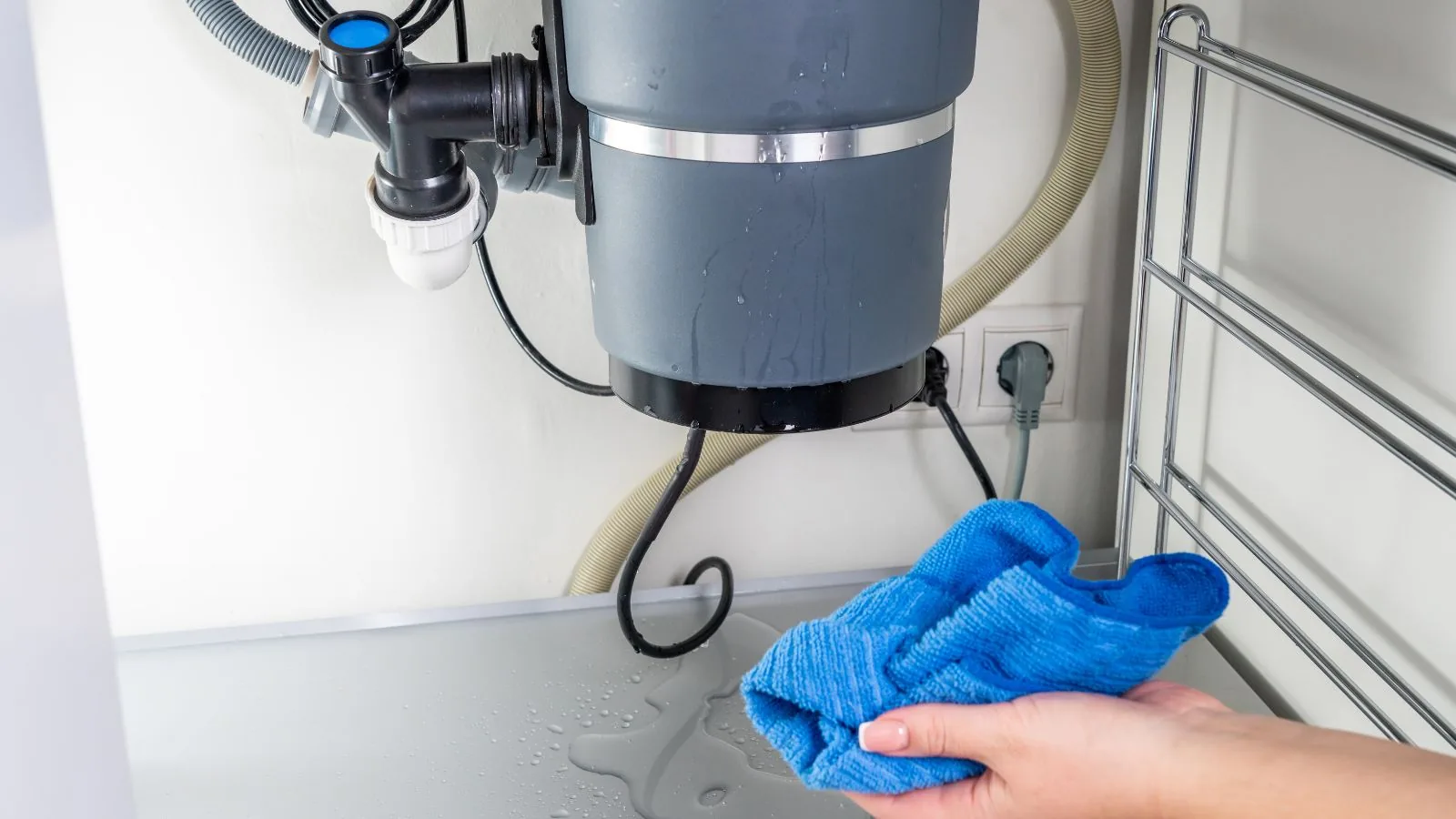
A small leak raises a real question. Filing a claim can cover repairs, but it can also lead to higher premiums or a record on your property. Not filing can leave you paying out of pocket and may complicate future claims. This guide lays out the factors, without telling you what to choose.
Start with the numbers
- Your deductible, which is the amount you pay before coverage applies.
- The estimate for dry-out and repair.
- Whether the estimate is close to your deductible.
- Your policy's coverage for the type of leak.
If the repair cost is near or below the deductible, a claim may not pay anything. If it is well above, a claim is worth discussing.
Check how the leak is classified
Sudden and accidental leaks, such as a failed supply hose, are the type most often covered. Slow leaks and long-term seepage are often treated as maintenance issues. If your leak ran for months, coverage may be limited or denied.
Potential downsides of filing
- A claim may lead to a premium increase at renewal.
- Claims can appear in industry databases that future insurers consult.
- Some insurers may not renew a policy after multiple claims.
- Pending claims can affect a sale or refinance.
Ask your agent how claims affect your rates. Some insurers let you ask about coverage without filing. Be careful that an inquiry is not recorded as a claim, and ask how they handle it.
Potential downsides of not filing
- Unfixed damage can grow, such as hidden mold or rot.
- A later claim for the same issue may be denied for not reporting it.
- Late reporting can breach policy conditions.
- You may pay for repairs that would have been covered.
A simple decision path
- Stop and dry the leak. Fast mitigation limits damage whether or not you file.
- Get a written scope and price. Compare it with your deductible.
- Read your policy's water damage section. Note exclusions for gradual leaks.
- Ask your agent general questions. Ask how claims affect premiums.
- Decide and document. Keep photos and records either way.
Three small leak examples and how each might play out
| Example | What happened | Points to consider |
|---|---|---|
| Washer hose drips for an hour | A small area of vinyl floor was wet and dried in a day | Cost may be below the deductible, so a claim may not pay |
| Leak under a sink for weeks | Cabinet base swollen and floor soft | May be seen as gradual, so check wear and tear language |
| Pipe leak inside a wall | Wall cavity wet, ceiling below stained | Damage may be larger than it looks, so measure before deciding |
Examples like these show why measurement matters. A moisture reading tells you how big the problem is before you decide.
What a deductible means in practice
If the repair costs only a little more than your deductible, the policy would cover just the difference, if anything, and a claim that small may not be worth the effect on your record. If the repair costs many times your deductible, the policy carries most of the load, subject to its limits and exclusions.
Keep your own repair file
Whether or not you file, keep photos, invoices, moisture readings and notes about the cause. A file like this helps with a later claim, a sale or a landlord dispute, and it takes ten minutes to build while the details are fresh.
Questions to ask yourself before deciding
- Do I know the full extent of the damage, or only the visible part?
- Is the repair estimate close to my deductible?
- Was the leak sudden, or has it been going for a while?
- Is there any chance of hidden mold or rot?
- Am I planning to sell, refinance or switch insurers soon?
Your answers help you and your agent weigh the choice. There is no rule that fits every case.
Key takeaways
- Stop and dry the leak first, whatever you decide.
- Compare the written scope with your deductible.
- Ask your agent how claims affect renewal before you file.
- Keep a repair file with photos, readings and invoices.
How hidden damage changes the math
A leak that looks small on the surface can hide larger damage. Water in a wall can soak insulation and the base of studs. Water under a floor can soak the subfloor. A repair that seemed to cost little at first can grow once the area is opened.
That is why a moisture assessment matters before the decision. A quick scan with a meter and a thermal camera shows whether the wet area is a few square feet or a whole room. The result changes whether a claim makes sense.
If you decide not to file and hidden damage later appears, the earlier leak may be questioned by your insurer. Keep your repair file, including the moisture readings that showed the area was dry at the end of the repair.
A scenario: a leaking toilet supply line
A toilet supply line weeps overnight and wets the bathroom floor and the baseboard. The homeowner shuts off the valve, dries the floor and replaces the line. A moisture reading shows the subfloor is dry two days later, and the repair cost is small.
Filing a claim for that is unlikely to pay after the deductible. The homeowner keeps the photos, the receipt and the reading in a repair file and moves on. Had the reading shown a wet subfloor, the decision would look different.
Small leaks in New Brunswick rentals and condos
Many New Brunswick residents rent near Rutgers or live in multi-unit buildings, so a small leak may involve a landlord, a condo association and a renters policy. The building policy usually covers the structure, and a renters policy covers your belongings.
Report the leak in writing to the landlord or association, and keep dated photos. The New Jersey Department of Banking and Insurance tells policyholders to check their policies for what is covered, and that advice applies to renters too.
Dry-out work helps either way, so see water extraction and structural drying for what is involved.
Sources for this guide: the New Jersey Department of Banking and Insurance advice that policyholders check their own policies, and the EPA guideline that wet materials be dried within 24 to 48 hours.
Small leak claim questions
Often yes, but ask how the inquiry is recorded before you call.
Policies usually require prompt notice. Check your policy and ask your insurer.
Document it and contact your insurer promptly. Hidden damage often appears after walls are opened.
A renters policy can cover belongings and sometimes additional living costs. Read your policy.
Yes. Keep invoices and photos, since insurers and buyers may ask.