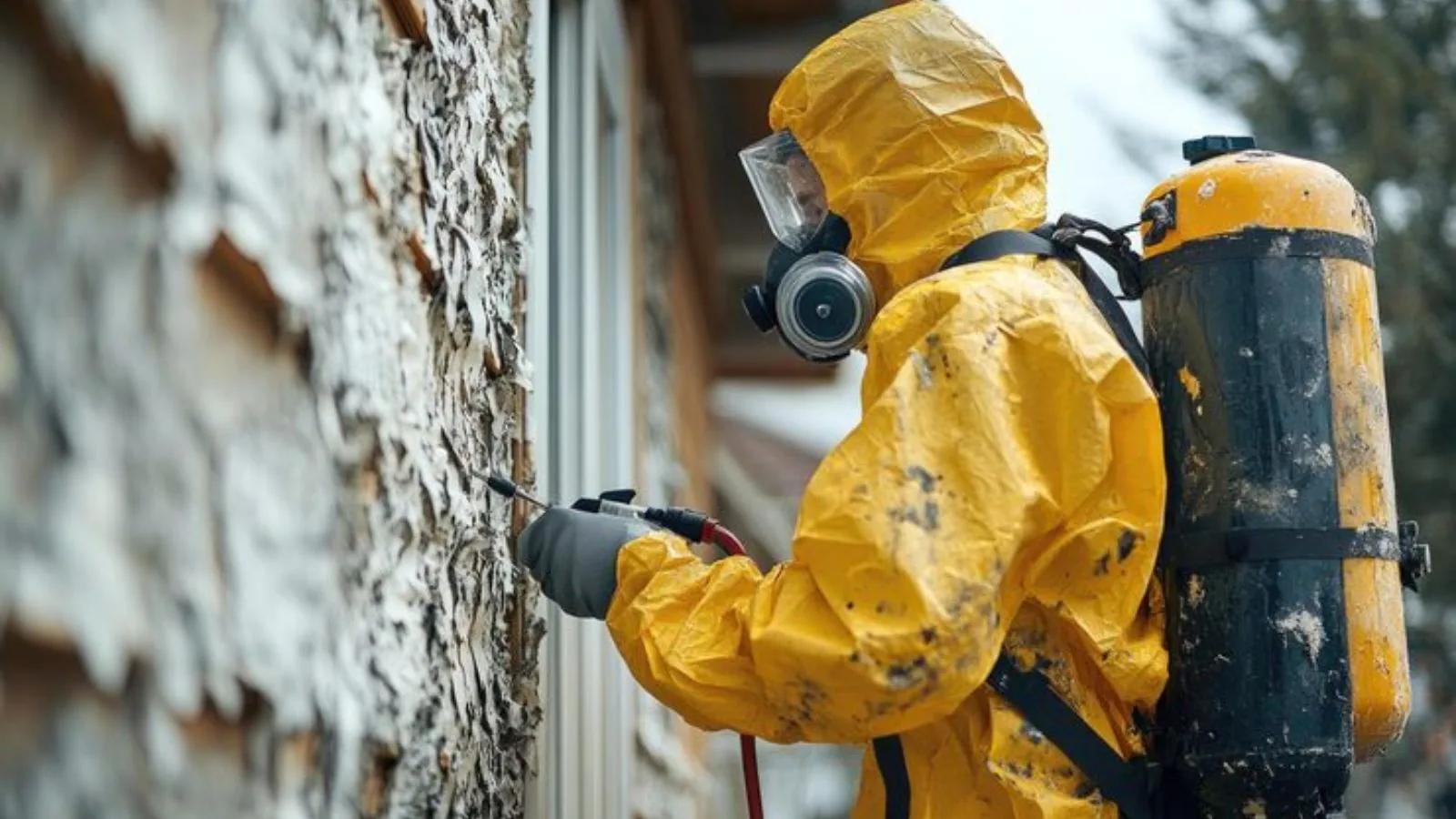
Mold remediation is the controlled removal of mold growth and the correction of the moisture that allowed it. The word gets used loosely, which causes confusion when you compare quotes. This guide describes the usual steps and where the professional standard fits in.
Remediation, removal and cleaning: three different things
| Term | What it means | Typical scale |
|---|---|---|
| Cleaning | Wiping or scrubbing mold from hard surfaces | Small areas the homeowner can manage |
| Removal | Taking out materials mold has grown into | Drywall, carpet, ceiling tile |
| Remediation | The whole process including containment, removal, drying and checks | Larger or hidden growth |
The S520 standard
ANSI/IICRC S520 is the published industry standard for professional mold remediation. It describes assessment, containment, removal and verification. Homeowners can ask any company whether its crews work to it. Naming the standard is not a guarantee of results, and each job still depends on the conditions.
Steps in a typical remediation
- Assessment. A visual inspection and moisture readings show where growth is and where moisture comes from.
- Fix the moisture. A plumber, roofer or drainage contractor repairs the source.
- Containment. Plastic barriers and negative air machines keep the work area sealed from the rest of the building.
- Removal. Porous materials with growth are removed and bagged. Hard surfaces are HEPA vacuumed and cleaned.
- Drying. Dehumidifiers and air movers dry what remains.
- Verification. The area is inspected, and many people choose an independent clearance check.
- Rebuild. Drywall, insulation and finishes are replaced.
What remediation does not do
Remediation removes existing growth. It cannot promise that mold will never return, because mold grows when moisture comes back. The best protection is fixing leaks, controlling humidity and drying anything that gets wet within 24 to 48 hours, as the EPA advises.
Fogging or spraying a product over mold without removing it and fixing the moisture is not remediation.
Who does what, and what to do while you wait
| Task | Usually done by |
|---|---|
| Visual assessment and sampling | An assessor or the remediation company |
| Leak repair | Plumber, roofer or drainage contractor |
| Containment and removal | Remediation company |
| Clearance check | An independent assessor, when requested |
| Rebuild | Remediation company or a general contractor |
Ask whether your state licenses mold work and whether the company you hire meets any requirement.
Containment and air filtration, explained simply
Containment uses plastic sheeting to seal the work area from the rest of the building. A negative air machine pulls air out of the area through a HEPA filter, so air flows into the work zone and not out of it. Workers enter through a decontamination space and wear protective gear.
Without containment, sanding, tearing out drywall and bagging debris can spread spores to rooms that were clean.
What happens after the mold is removed
Once growth and affected materials are gone, the area is vacuumed with HEPA equipment and wiped. Remaining materials are dried, and moisture readings confirm they are dry. Only then is it appropriate to close walls, replace insulation and finish surfaces.
How to compare remediation proposals
- Does each proposal describe the area, the materials to be removed and the containment plan?
- Is the moisture source addressed or assigned to another trade?
- Does the proposal say whether crews follow the S520 standard?
- Is clearance included, and who performs it?
- Does it explain what happens if hidden damage is found?
A proposal that is only a lump sum and a promise to treat the mold should prompt questions.
Common myths about remediation
Some people think remediation means spraying a product that kills mold. Killing mold without removing it leaves dead material in place and does not stop moisture. Others think testing is always required first. Visible growth can be remediated without testing.
A third myth is that remediation is permanent. It removes existing growth, and the building has to stay dry to stay that way.
Key takeaways
- Remediation is a process that includes containment, removal, drying and verification.
- Fixing the moisture source is part of the plan.
- The S520 standard guides professional practice.
- Ask for a written scope and a clear explanation of clearance.
What to do while you wait for remediation
- Keep the affected area closed off from the rest of the home.
- Turn off fans that blow air through the area.
- Avoid disturbing moldy materials.
- Photograph the area and any moisture source.
- Fix the leak, or arrange for a plumber, roofer or drainage contractor.
Do not try to remove large areas of moldy drywall or insulation yourself. Disturbing them without containment spreads spores through the house. A small patch on a hard surface is the exception that the EPA describes, and anything larger is better left to a team with containment and air filtration.
While you wait, keep humidity under control with a dehumidifier in the rest of the home, and keep a record of readings. That record shows your insurer and your contractor that you acted promptly.
A scenario: mold behind a bathroom wall
A homeowner notices a musty smell and finds dark growth on the drywall behind a tub. A plumber discovers a slow drain leak and repairs it. The remediation company seals the bathroom with plastic, sets a negative air machine, removes the affected drywall and insulation, and cleans the exposed framing with HEPA equipment.
Dehumidifiers dry the framing until readings match dry reference materials, and an independent assessor checks the area. Only after that is the wall rebuilt. Each step has a reason, and skipping any one of them leaves a gap.
Mold remediation questions specific to New Brunswick
New Brunswick is the seat of Middlesex County and has a mix of older rowhouses, newer apartments and commercial buildings. Whatever the age of the building, the plan starts with finding the moisture. Hurricane Ida in 2021 flooded parts of the city, and basements that dried slowly after that event are common sources of later mold questions.
For permit questions on rebuild work, ask the city's Construction Department.
Our mold remediation page lists what we do. If the area is still wet, see structural drying.
Sources for this guide: the ANSI/IICRC S520 standard for professional mold remediation and the EPA guidance on mold and moisture.
Mold remediation questions
It depends on the size of the area, the materials and how long drying takes. Small jobs can be done in a day or two, and larger ones take longer.
Not always. Containment and air filtration are designed to protect the rest of the building. For larger jobs, ask the company what it recommends.
Bleach does not remove mold from porous materials and cannot replace removal and moisture control.
Not always. If growth is visible, testing may add little. It can help when the source is unclear or documents are needed.
Several companies serve the area. Ask for a written scope, ask whether crews work to S520 and check any state licensing rules.